Garages have a way of becoming catch-all storage rooms, often requiring professional cleanout services once clutter gets out of control. Holiday decorations, half-finished projects, broken things waiting for disposal or professional junk removal services, most of it ends up in the garage sooner or later. If you’ve reached a point where you can’t see the floor or find what you need, it’s easy to shut the door and ignore the mess. But ignoring it won’t fix it.
The good news is, garage cleaning doesn’t have to be overwhelming. With a clear plan and basic supplies, you can make steady progress, even if you’re short on time or motivation.
Follow these 17 step-by-step actions to clear the clutter and reclaim your garage.

Step 1. Set a Realistic Goal
Don’t attempt a complete overhaul in one day. If your garage hasn’t been cleaned in years, it didn’t get that way overnight, and won’t be fixed overnight either.
Start with a single section—maybe just the area around the workbench or one wall. Focus on finishing that one task before moving on. This builds momentum and creates visible progress, which makes you more likely to stick with it.
Step 2. Pick a Day with Good Weather
You’ll likely need to pull a lot of items out of the garage to sort through them. A clear, mild day gives you enough space and light to do the job right. Working with the garage door open not only improves light and airflow but also gives you room to stage items while you clean.
Avoid rainy or windy days, since you’ll be moving things in and out.
Step 3. Gather Basic Supplies Before You Start
Pause and gather what you need before diving in. For most garage cleanouts, you’ll need:
- Heavy-duty trash bags
- Cardboard boxes or plastic bins
- Marker and masking tape for labeling
- Gloves to protect your hands
- Broom and dustpan
- A flathead screwdriver or scraper for stuck debris
Having these on hand will keep you moving and save you from unnecessary stops.
Step 4. Be Honest About What You Use
We all have good intentions, but if you haven’t used something in a year (or longer), ask why. Don’t assume you’ll use it “someday.” Be pragmatic. A bike that’s been collecting dust or three years probably isn’t essential. Broken items that haven’t been repaired by now can go.
This step is where most people get stalled—stay focused and honest.
Step 5. Start from the Front and Work Back
Begin near the garage door and work your way deeper into the space. This keeps a clear path for loading items in and out. It also gives you the satisfaction of seeing progress right away. Each cleaned section becomes a landing zone for sorted and organized items. You’ll be less tempted to stop once everything looks better each step of the way.
Step 6. Group Similar Items
As you sort, group like items together. Put all gardening tools in one spot. Collect all sports gear in another. Holiday decorations, old tools, and camping equipment should each have their place. Once grouped together, it’s easier to spot duplicates, missing parts, or items you no longer use. You’ll make better decisions about what deserves to go back—and what doesn’t.
Step 7. Create Sorting Zones
Before touching anything, establish a few sorting areas. Clear spots in your driveway or section off space in the garage using masking tape. Label each zone:
- Keep
- Toss
- Donate
- Recycle
- Hazardous Waste
This method forces you to make clear decisions, cuts down on indecision later, and helps you see just how much you’re moving out of the space.
Step 8. Treat Trash Like Trash
If it’s broken, rusted, or moldy, throw it out. Empty boxes, cracked flower pots, expired chemicals, and bent garden tools have no place in a clean garage. Watch for items that you’ve been keeping just because it’s easier than getting rid of them. Dealing with true junk right away frees up space and gives you fewer decisions to make later in the process.
Step 9. Don’t Let Sentimental Items Slow You Down
It’s natural to struggle with objects that carry memories. Old children’s toys, family tools, forgotten photo albums—these things deserve a thoughtful decision, but not during your cleaning session. Box them up, label them, and set a time in the future to go through them. Keeping the clean-up moving matters more right now than making every emotional decision perfectly.
Step 10. Clean as You Go
After clearing a section, sweep up any dirt or debris. Use a shop vacuum for sawdust or gravel. Wipe down shelves and flat surfaces with a damp cloth.
You don’t need to deep clean—just make each area cleaner than before.
Step 11. Check for Pests or Mold
While cleaning, be alert for any signs of infestation or moisture. Look for:
- Droppings or nests
- Chewed cardboard
- Mold or discolored soft spots on walls or ceilings
Deal with issues right away. Use traps or call professionals if necessary. Fixing leaks and sealing gaps will help prevent future problems.
Step 12. Clean Oil Stains with Cat Litter and Degreaser
If your garage floor has oil stains, pour some unused clay cat litter on the spot. Let it sit overnight to absorb the oil. Sweep it up the next day and apply a degreaser or dish soap with a scrub brush. Rinse with water. While it may not look brand new, it will be cleaner, safer, and less slippery.
Step 13. Install Shelving or Pegboards
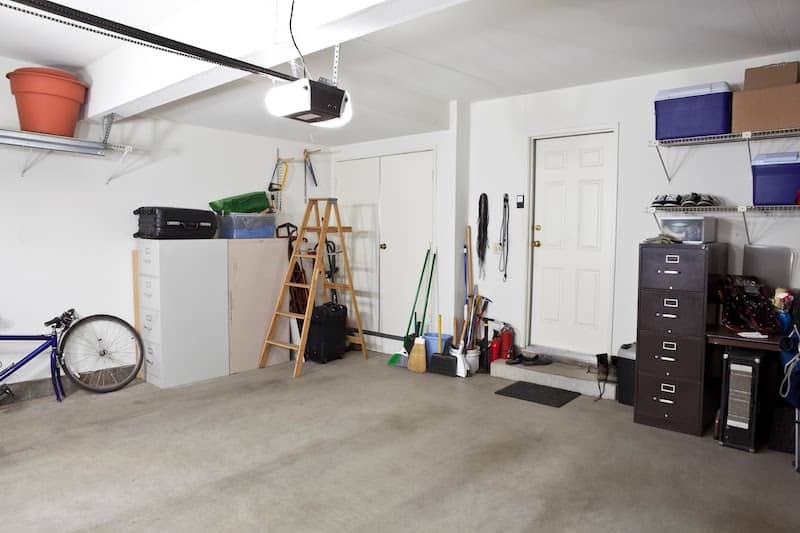
Getting things off the floor makes a big difference. Wall-mounted shelves or pegboards let you store bins, tools, and bulky items in a visible, reachable way. Keeping items off the ground also helps deter pests and makes sweeping easier. Install wall hooks for gardening tools or extension cords to keep everything in reach and out of the way.
Step 14. Use Clear Storage Bins with Labels
Storage is easier when you can see what you have. Transparent plastic bins help you locate seasonal or seldom-used items without opening every box. Use painter’s tape or adhesive labels to mark bins by category: “Auto Supplies,” “Camping Gear,” “Holiday Lights.” This prevents confusion later and cuts down on rummaging.
Step 15. Store Hazardous Materials Safely
Many garages hold items like paint, fuel, motor oil, and pesticides. Store these away from high heat, moisture, or open flames. Use metal cabinets or secure shelving. Don’t leave dangerous chemicals within reach of pets or children. Proper storage not only keeps you safe but also protects your home from fires or spills.
Step 16. Set a Monthly Check-In
Once your garage is cleaned and organized, protect your progress. Mark one day per month to do a 10-minute sweep. Put things back where they belong, toss out garbage, and review storage bins for misplaced items. Regular maintenance beats another marathon cleaning session.
Step 17. Call in a Junk Removal Company When It’s Too Much
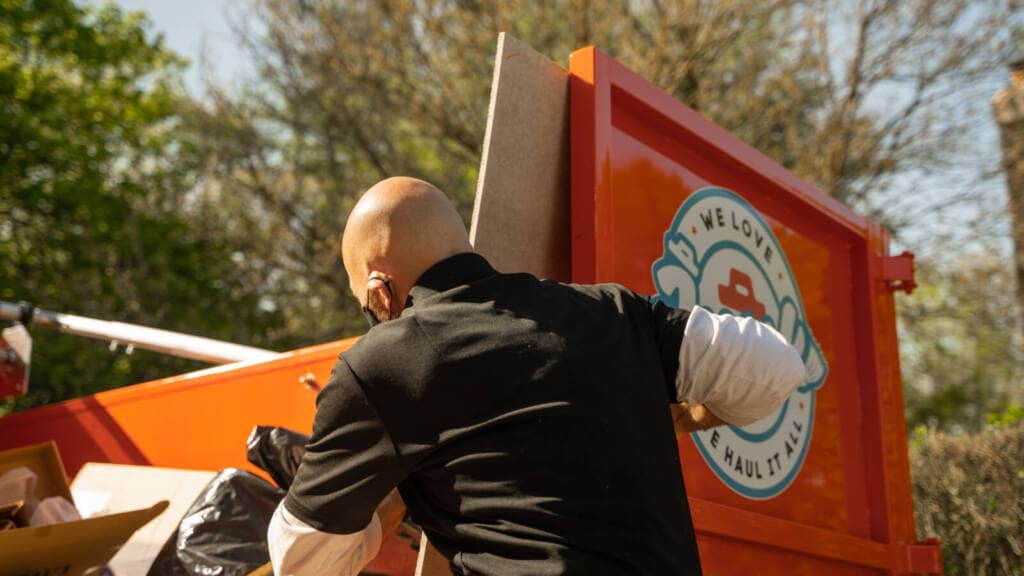
Sometimes the volume of clutter is more than you can handle alone. If you’re staring at piles of broken furniture, stacks of old boxes, or larger items you can’t lift, it may be time to bring in help.
A junk removal company can clear the heavy, bulky, or hazardous items quickly and safely. They know what can be recycled, what needs special disposal, and how to haul it all without damaging your property.
Hiring professionals doesn’t mean you’ve failed—it means you’re getting the job done with less stress.
Related Article: Why Professional Junk Removal is Most Convenient for Busy Homeowners

When the Floor Reappears, So Does Peace of Mind
A cluttered garage can feel like too much. It’s not just the mess—it’s the stress that comes with not knowing where to start. But with these 17 focused tips, you don’t have to feel overwhelmed. Take it one section at a time. Make smart, simple choices about what stays and what goes. Clean as you go, organize with intention, and revisit the space regularly.
You don’t need perfection. Just progress. And once your garage is back under control, keeping it that way is much easier.